What it demonstrates
Sampling, latency, noise and model weighting change how closely a digital representation follows the physical state.
Engineering · Technology · Operations
Discuss a requirement ↗
Multidisciplinary product development from requirements and physical architecture through simulation, embedded intelligence, validation and production release.
Product engineeringRequirements, architecture, integration and lifecycle deliveryMechanical design & CADMechanisms, packaging, tolerances, DFM and release dataSimulation, FEA & thermalStructural, fatigue, vibration and thermal design evidenceCFD & aerodynamicsExternal flow, internal flow, cooling and aerothermal behaviourPhysics-based modellingReduced-order, system and executable engineering modelsEmbedded systemsElectronics, firmware, controls, RTOS and verificationIndustrial IoT & digital twinConnected assets, telemetry, models and operational insightQuality & production engineeringValidation, process readiness and controlled industrializationEngineering Intelligence CentreResearch guides, methods and interactive technical laboratoriesProduction-grade digital capability built around real users, enterprise interfaces, governed data and measurable operating outcomes.
Digital platforms & integrationApplications, APIs, workflows, identity and observabilityData engineering & analyticsPipelines, quality, lineage, analytics and decision productsAI & intelligent automationApplied AI with validation, human authority and monitoringDigital twinsEngineering context connected to live asset behaviourCritical recurring workflows operated with documented controls, trained capacity, visible exceptions and accountable service governance.
HR & payroll operationsEmployee lifecycle, payroll inputs, controls and exceptionsData & back-office operationsDocument, transaction, master-data and reconciliation workflowsIT & technical supportService requests, incidents, triage, knowledge and escalationCompliance, risk & BFSIKYC/KYB, screening, monitoring, review and remediationL02 / Interactive laboratory
See how sampling rate, latency, measurement noise and model weighting affect the agreement between an operating asset and its digital representation.
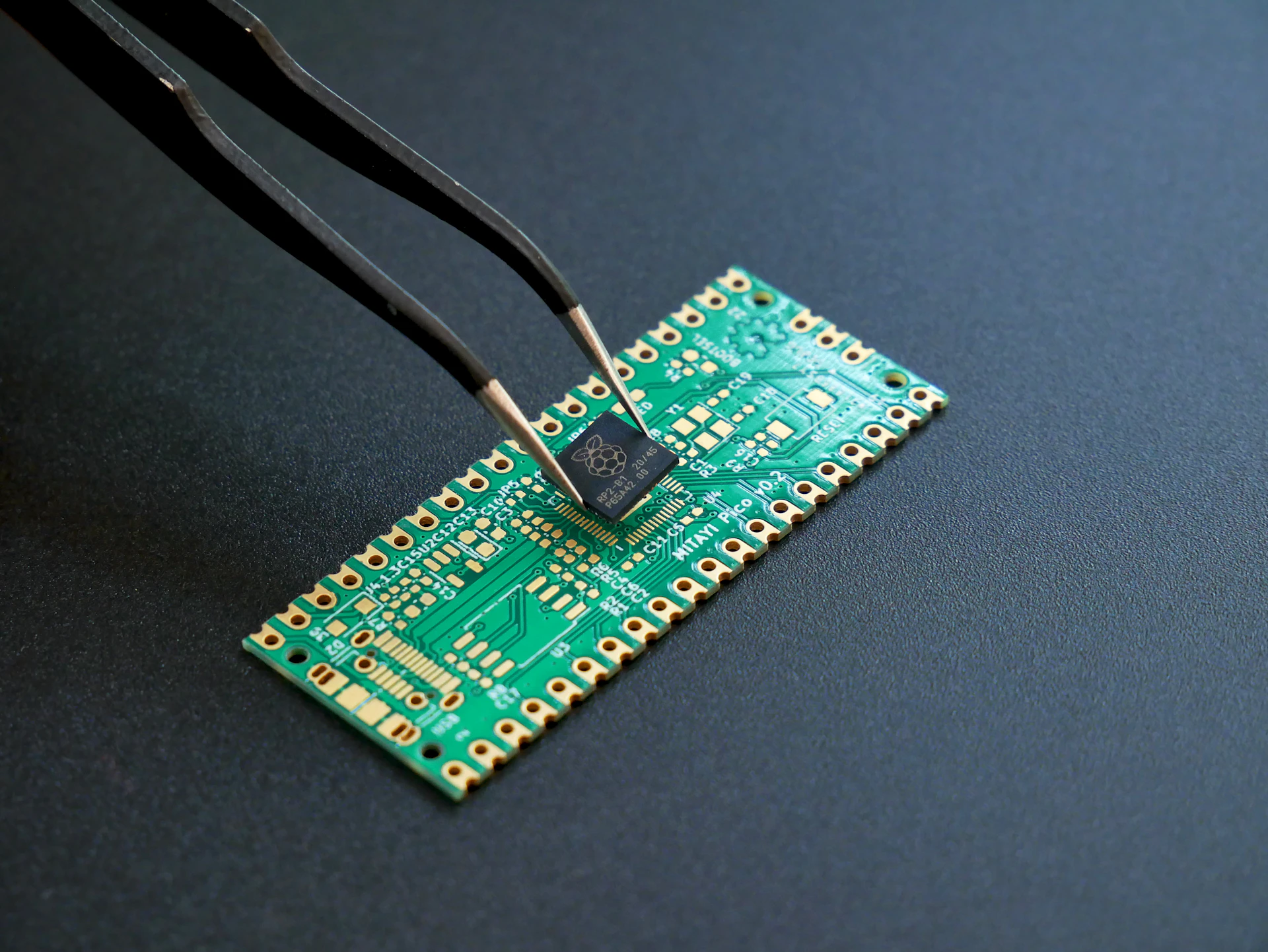
Values are synthetic and dimensionless unless labelled. This laboratory illustrates relationships; it is not a solver, design tool, validation result or client-project output.
Sampling, latency, noise and model weighting change how closely a digital representation follows the physical state.
A low signal error alone does not establish correct asset context, causal validity, interoperability or safe actuation authority.
Is synchronization adequate for the response time and consequence of the intended diagnostic, predictive or control decision?
Apply the principle to a real requirement