
- Fluid domain and operating points
- Boundary conditions and properties
- Geometry alternatives and reference data
Engineering / CFD
Understand flow, heat and aerodynamic behaviour.
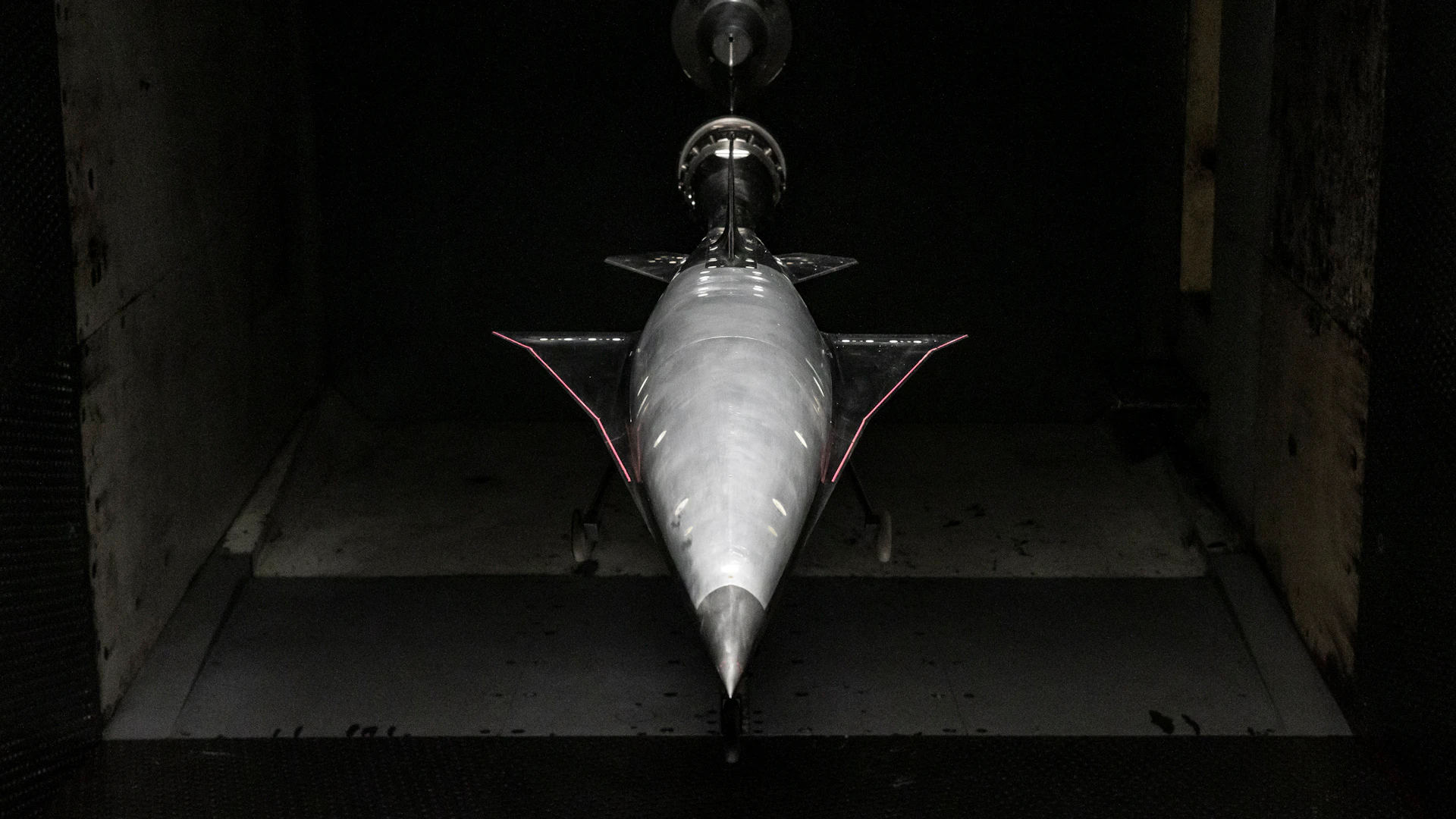
Computational fluid dynamics for internal and external flows, cooling, pressure loss, mixing, rotating machinery and aerodynamics, connected directly to product and system design decisions.
Service overview
Make the mechanisms behind fluid system performance visible, measurable and actionable.
Computational fluid dynamics for internal and external flows, cooling, pressure loss, mixing, rotating machinery and aerodynamics, connected directly to product and system design decisions.
- Service model
- Use focused specialist support for a defined gap, or assemble a multidisciplinary team around a complete workstream. The structure follows the interfaces and decisions in the scope.
- Delivery
- Choose a project, dedicated team, hybrid engagement or managed service. Milestones, client responsibilities and acceptance criteria are agreed before execution.
- Control
- Scope, assumptions, evidence, ownership and review rhythm remain visible. Changes and unresolved risks are recorded with an accountable decision owner.
- CFD
- Aerodynamics
- Conjugate heat transfer
- Mesh and solver definition
- Balance, residual and sensitivity checks
- Flow mechanism and design comparison
- Simulation and CAE
- Mechanical design
- Digital twins
Lifecycle positionScope
Operating points, outputs and success criteria.
Core capabilities
Capabilities included.
Choose the capabilities your project needs. We agree the scope, interfaces and required outputs with your team before work starts.
External aerodynamics
Drag, lift, wake behaviour, flow separation and surface pressure evaluation.
Practical coverage
Support vehicle, equipment and exposed structure decisions.
Internal flow
Ducts, manifolds, valves, piping and distribution system performance.
Practical coverage
Identify restriction, imbalance, recirculation and pressure loss sources.
Thermal management
Conjugate heat transfer, electronics cooling and ventilation studies.
Practical coverage
Evaluate cooling strategy across fluid and solid domains.
Rotating machinery
Fans, pumps, turbines and rotating frame flow behaviour.
Practical coverage
Study operating point performance and component interaction.
Multiphase and mixing
Representative phase interaction, mixing and transport investigations.
Practical coverage
Choose appropriate physics for the engineering question.
Design exploration
Compare geometry and operating alternatives through controlled studies.
Practical coverage
Convert field insight into practical design recommendations.
Solutions
Solutions for common delivery needs.
Start with the problem you need to solve. We define the work, responsibilities and acceptance criteria around that need.
Pressure loss or cooling performance is limiting the product.
How CX24 respondsModel the flow and heat transfer, locate the main losses and compare changes to ducts, passages or cooling arrangements.
Aerodynamic behaviour needs improvement before a physical prototype.
How CX24 respondsCompare concepts across relevant operating conditions and review forces, separation and stability indicators before selecting test candidates.
Flow distribution or mixing is difficult to measure directly.
How CX24 respondsResolve the flow field with documented assumptions, check conservation and sensitivity, and identify where measurements are needed.
Several geometry concepts must be compared consistently.
How CX24 respondsUse a common simulation setup and comparison matrix so geometry changes can be assessed against the same performance criteria.
Delivery approach
A clear path from scope to evidence.
The exact gates change by service, but ownership, review and measurable outputs stay explicit. Each stage establishes the information needed to enter the next one responsibly.
Scope
Operating points, outputs and success criteria.
Stage outcomeSimulation definition is prepared or updated before the work advances.Prepare
Fluid domain, mesh and physics setup.
Stage outcomeFlow diagnostics is prepared or updated before the work advances.Run
Residual, balance and solution behaviour monitoring.
Stage outcomeVerification checks is prepared or updated before the work advances.Verify
Sensitivity and comparison with known behaviour.
Stage outcomeDesign comparison is prepared or updated before the work advances.Improve
Design recommendation and validation priorities.
Stage outcomeAgreed next stage evidence is prepared or updated before the work advances.What you receive
Typical deliverables.
Deliverables are adapted to the client environment and agreed acceptance criteria. The aim is to leave behind usable engineering, technology or operating capability, not presentation material alone.
Simulation definition
Domain, mesh, models and boundary conditions.
Assumptions, ownership, dependencies and the agreed review status are recorded with the output.Flow diagnostics
Velocity, pressure, temperature and force measures.
Working files, source information and revision status are organised so the client team can continue using them.Verification checks
Residual, balance, mesh and sensitivity evidence.
Results include the relevant checks, open issues, limitations and approval evidence, not only the final conclusion.Design comparison
Alternatives, limitations and recommended changes.
Final handover identifies accepted scope, residual risk, next actions and the accountable owner for each action.Technology and methods
CFDAerodynamicsConjugate heat transferRotating framesMultiphase flowMeshingPost processing
Evidence clients can review before acceptance.
Agree the deliverables, review records and acceptance measures at the start. These are the evidence you should receive during delivery, not claims about past projects.
Accepted outputs
Deliverables are mapped to agreed criteria, version status, accountable owners and review decisions.
Decision trail
Inputs, assumptions, interfaces, changes, exceptions and approvals remain connected to the work.
Delivery measures
Progress, quality, risk, backlog or service measures are selected for the actual engagement.
Practical handover
Working files, source information, runbooks and handover actions leave the client able to continue.
Client names, project details and outcome claims are published only with permission. Evidence for a specific engagement is confirmed through the agreed scope, reviews and acceptance records.
Choose a delivery structure that fits the responsibility.
Team shape, governance, commercial structure and acceptance are matched to the outcome CX24 is asked to deliver.
Defined project
Bounded scope, milestones, deliverables and acceptance criteria for a specific outcome.
Dedicated team
Stable specialist capacity integrated with client leadership, standards and delivery rhythms.
Delivery centre
Multidisciplinary capacity with named governance, shared methods and transparent reporting.
Managed service
Recurring responsibility operated against controls, service levels and improvement measures.
Build · Enable · Operate